

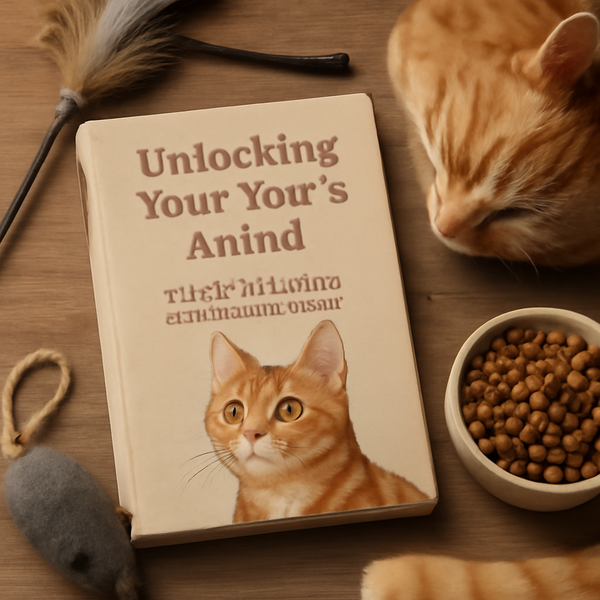
Curious about why your cat purrs, kneads, or suddenly sprints across the room at 3 AM? Delving into cat behavior can be incredibly rewarding, offering a deeper understanding of your feline companion's needs and motivations. This exploration aims to demystify common cat actions, providing insights into their communication methods, social structures, and the instinctual drives that shape their daily lives.
The Art of Feline Communication: Beyond the Meow
Cats possess a sophisticated and nuanced communication system that goes far beyond simple meows. While vocalizations like purring, hissing, growling, and various meow pitches are crucial, their body language plays an equally, if not more, significant role in conveying their emotions and intentions. The position of their tail, ears, and eyes can tell you volumes. A slow blink, for instance, is often interpreted as a sign of trust and affection, akin to a feline kiss. Conversely, a tail held high with a slight flick at the tip might indicate curiosity or anticipation, while a tail tucked between their legs signifies fear or anxiety. Their ears can swivel to capture subtle sounds, but their position also communicates mood: ears forward suggest interest, flattened ears signal fear or aggression, and ears slightly to the side might indicate mild annoyance or relaxation. Understanding these subtle cues is paramount to building a stronger bond with your cat and ensuring their comfort and happiness. Recognizing these signals allows you to respond appropriately, fostering a more harmonious living environment for both you and your beloved pet. It’s about learning to speak their language, appreciating the subtle yet powerful ways they interact with the world around them.
Decoding Common Cat Behaviors: Why Do They Do That?
Several common cat behaviors often leave owners puzzled. Kneading, also known as "making biscuits," is an instinctive behavior rooted in their kittenhood, where they kneaded their mother's belly to stimulate milk flow. Adult cats often continue this behavior when they feel content and secure, associating it with comfort and affection. Another frequently observed action is the "slow-motion run" or "zoomies," where cats suddenly burst into energetic sprints, seemingly without reason. This is often a natural release of pent-up energy, particularly common in younger cats or those with limited outdoor access. It's their way of de-stressing and maintaining their physical condition. When cats rub their heads or bodies against you or furniture, they are marking their territory with scent glands located on their face and body. This isn't just about ownership; it's also a way of creating a familiar and comforting scent environment. Even seemingly odd behaviors like bringing you "gifts" of prey, whether real or toy, are expressions of their hunting instincts and a way of sharing their success with their "family." Understanding these ingrained instincts helps us appreciate that these actions are not arbitrary but deeply rooted in their evolutionary history and psychological makeup. It’s about respecting their natural tendencies and providing outlets for them to express these behaviors in a safe and appropriate manner within the home environment.
The Importance of Play and Enrichment for Your Cat
Providing adequate play and environmental enrichment is fundamental to a cat's overall well-being, addressing both their physical and mental needs. Cats are natural predators, and their instinct to hunt, stalk, and pounce needs to be satisfied. Interactive toys, such as feather wands, laser pointers (used responsibly, ensuring the cat catches something eventually), and puzzle feeders, can mimic the thrill of the hunt and prevent boredom. Boredom in cats can lead to a host of behavioral problems, including destructive chewing, excessive vocalization, and even aggression. A stimulating environment should also include opportunities for climbing and perching. Cat trees, shelves, and window perches allow cats to survey their territory from a safe height, satisfying their innate desire for vertical space and observation. Scratching is another essential behavior that cats cannot and should not be discouraged from. Providing a variety of scratching posts – vertical, horizontal, made of different materials like sisal, cardboard, or carpet – allows them to mark their territory, stretch their muscles, and shed the outer husks of their claws. Rotating toys and introducing new ones periodically can keep their interest piqued. Mental stimulation is just as important as physical activity. Consider puzzle toys that dispense treats, or even simple games of hide-and-seek. Engaging your cat’s natural instincts through thoughtful play and environmental design contributes significantly to a happy, healthy, and well-adjusted feline companion, ultimately strengthening the bond between pet and owner and ensuring a fulfilling life for your cat.
Understanding and Managing Stress in Feline Companions
Cats are sensitive creatures, and stress can manifest in various ways, impacting their physical and emotional health. Recognizing the signs of stress is the first step toward managing it effectively. Common indicators include changes in appetite, increased vocalization, hiding more than usual, excessive grooming (leading to bald patches), aggression towards people or other pets, or inappropriate elimination outside the litter box. Environmental changes are often the primary culprits behind feline stress. This can range from the introduction of a new pet or person into the household, to moving to a new home, changes in routine, loud noises, or even rearranging furniture. To mitigate stress, maintaining a consistent routine for feeding, playtime, and interaction can provide a sense of security. Ensure your cat has multiple safe spaces, such as high perches or cozy hiding spots, where they can retreat when feeling overwhelmed. Litter box management is also critical; cats are fastidious, and an unclean or inaccessible litter box can be a significant stressor. Provide enough litter boxes (the general rule is one per cat plus one extra) in quiet, accessible locations. For multi-cat households, ensuring adequate resources like food bowls, water bowls, and scratching posts can prevent competition and conflict. If you suspect your cat is experiencing chronic stress, consulting with a veterinarian or a certified feline behaviorist can provide tailored strategies and support to help your cat feel more secure and content in their environment.
The Social Life of Your Cat: Understanding Inter-Feline Dynamics
While often perceived as solitary animals, cats are capable of forming complex social relationships, both with humans and other cats. The nature of these relationships and their social dynamics are heavily influenced by early socialization experiences and the availability of resources. In multi-cat households, successful social integration hinges on providing ample resources and allowing cats to establish their own territories and hierarchies. Scarcity of resources, such as food bowls, water dishes, litter boxes, or favorite resting spots, can quickly lead to tension and conflict. It’s essential to provide multiple feeding stations and litter boxes placed in separate, quiet areas to minimize competition. Cats often communicate their social status and intentions through subtle body language, scent marking, and vocalizations. A cat that is comfortable and confident may approach another cat with a relaxed posture, a high tail, and gentle rubbing. Conversely, a fearful or aggressive cat might exhibit flattened ears, a hunched back, hissing, or swatting. Gradual introductions are crucial when bringing a new cat into the home. This involves a period of scent swapping, feeding on opposite sides of a closed door, and supervised brief interactions, slowly increasing the duration and proximity as the cats show signs of comfort. Understanding that each cat has a unique personality and history is key to managing their social interactions effectively, fostering a peaceful and cooperative environment within the feline community of your home. Patience and careful observation are your greatest tools in navigating these intricate social dynamics.