

In an era where technology has become an integral part of our lives, ensuring the safety and security of our homes has never been more crucial. A home security system is a valuable investment that offers peace of mind and protection for your property. With a myriad of options available, selecting the right home security system requires careful consideration. This comprehensive guide will outline key factors to help you make an informed decision when choosing a home security system.
Understanding Your Needs
Before delving into the world of home security systems, it’s essential to assess your specific needs. Consider factors such as the size of your home, the layout, and the areas you want to secure. Identify potential entry points and areas of vulnerability. This initial assessment will serve as a foundation for choosing a system tailored to your unique requirements.
There are various types of home security systems, each offering different features and levels of protection. Common options include:
- Burglar Alarms: These systems detect unauthorized entry through doors or windows, triggering an alarm.
- Surveillance Cameras: Video surveillance systems provide real-time monitoring and recording, acting as a deterrent and aiding in identification.
- Motion Sensors: These devices detect movement and can be integrated with alarms or lights to deter intruders.
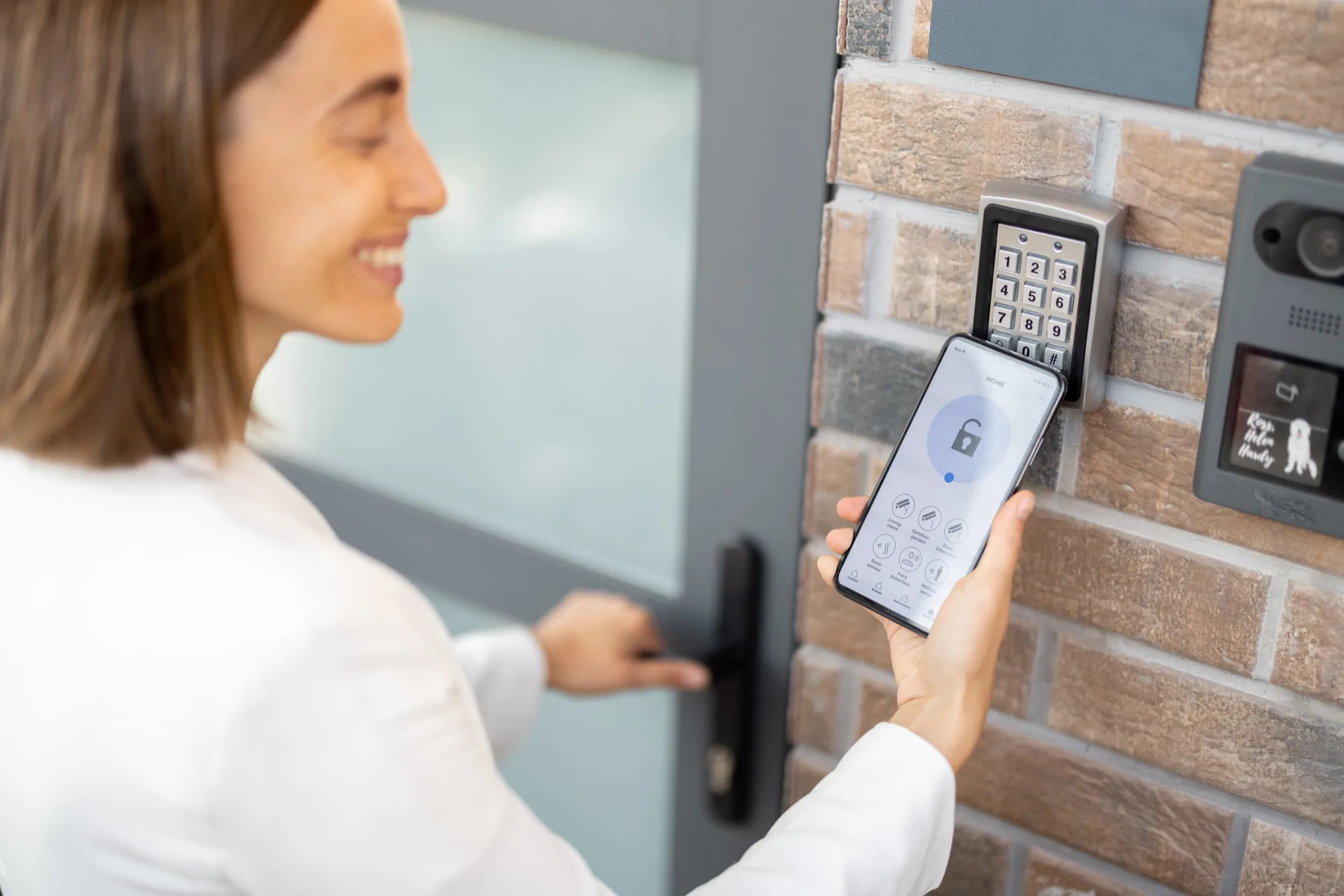
- Smart Home Security: Integrating with your smart home, these systems offer remote monitoring, control, and automation through mobile apps.
Evaluate the specific needs of your home and choose a system that aligns with your security goals.
Professional Monitoring vs. Self-Monitoring
Decide whether you want professional monitoring services or prefer to monitor the system yourself. Professional monitoring involves a third-party monitoring company that responds to alerts and contacts authorities if necessary. Self-monitoring provides homeowners with direct control, receiving alerts on their devices and deciding on the course of action. Consider your lifestyle, preferences, and the level of responsiveness you desire when choosing between these options.
Wireless vs. Wired Systems
Home security systems can be either wireless or wired. Wireless systems are easy to install, more flexible, and can be controlled remotely. On the other hand, wired systems offer reliability and don’t rely on batteries, but they may require professional installation. Assess the pros and cons of each type based on your home’s structure and your preferences.
Integration and Compatibility
Consider whether the home security system can integrate with other smart home devices you may already own, such as smart locks, lights, or thermostats. Integration allows for a cohesive and streamlined security approach. Ensure that the chosen system is compatible with popular smart home platforms, enhancing the overall efficiency and convenience of your home security setup.
User-Friendly Interface
An intuitive and user-friendly interface is crucial for effective use of your home security system. Choose a system with a straightforward setup process and a user interface that is easy to navigate. This ensures that you and your family can comfortably manage and monitor the system without unnecessary complications.
Budget Considerations
Establish a budget for your home security system, factoring in the initial costs, monthly monitoring fees (if applicable), and any additional features you may want to add later. While it’s essential to find an affordable option, prioritize quality and reliability over the lowest price. Invest in a system that meets your needs and provides reliable security for your home.
Selecting the right home security system involves a thoughtful assessment of your specific requirements, a consideration of available options, and a focus on features that align with your priorities. Whether you opt for a comprehensive smart home security system or a more traditional burglar alarm, the key is to choose a solution that enhances the safety of your home and provides you with the peace of mind you deserve. By carefully evaluating your needs and researching available options, you can make an informed decision that ensures the security of your home and the well-being of your loved ones.